P3 POLYMERS
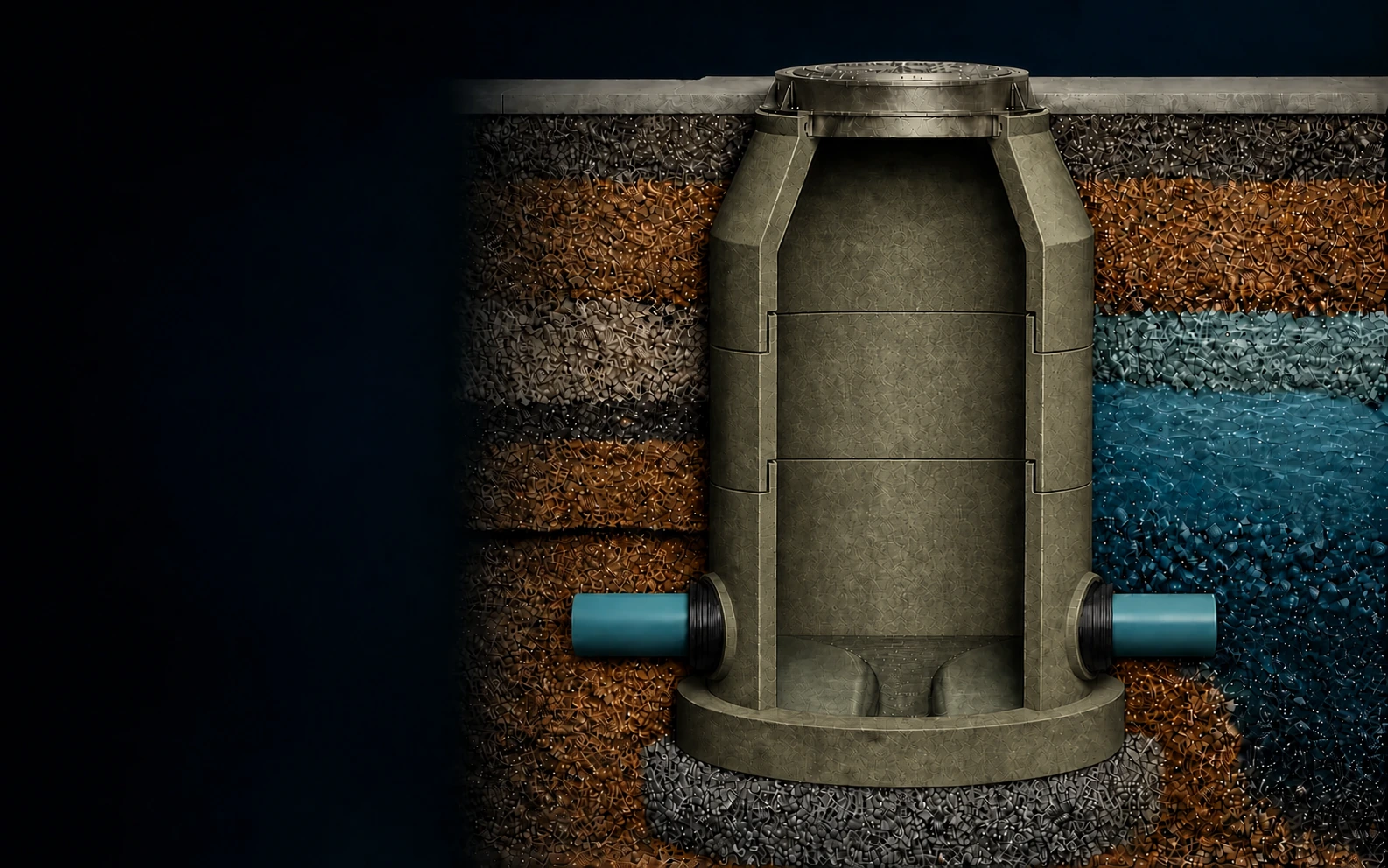
Sectional visualization of a brown-green polymer concrete wastewater manhole with shiplap joints, low teal PVC connections and an integral buoyancy collar
P3 / WASTEWATER INFRASTRUCTURE01 — BELOW GRADE

Engineered polymer concrete systems

Don’t cover up failure modes. Remove them.

P3 replaces corrosion-susceptible Portland cement concrete with a dense polymer matrix throughout the structure. Major failure modes are eliminated, not hidden beneath a coating, while installation stays familiar to contractors.

14,580 psiIndependent lab average≤ 0.20%Water absorptionACI 548.17Product-specific standard
SCROLL TO ENTER THE SYSTEM

01 / SAME THREATS, FOUR RESPONSES

Same manhole.
Four material strategies.

The threats stay the same. What changes is how much protection stands between them and the structure.

SELECT A SYSTEM. THEN OPEN A THREAT.
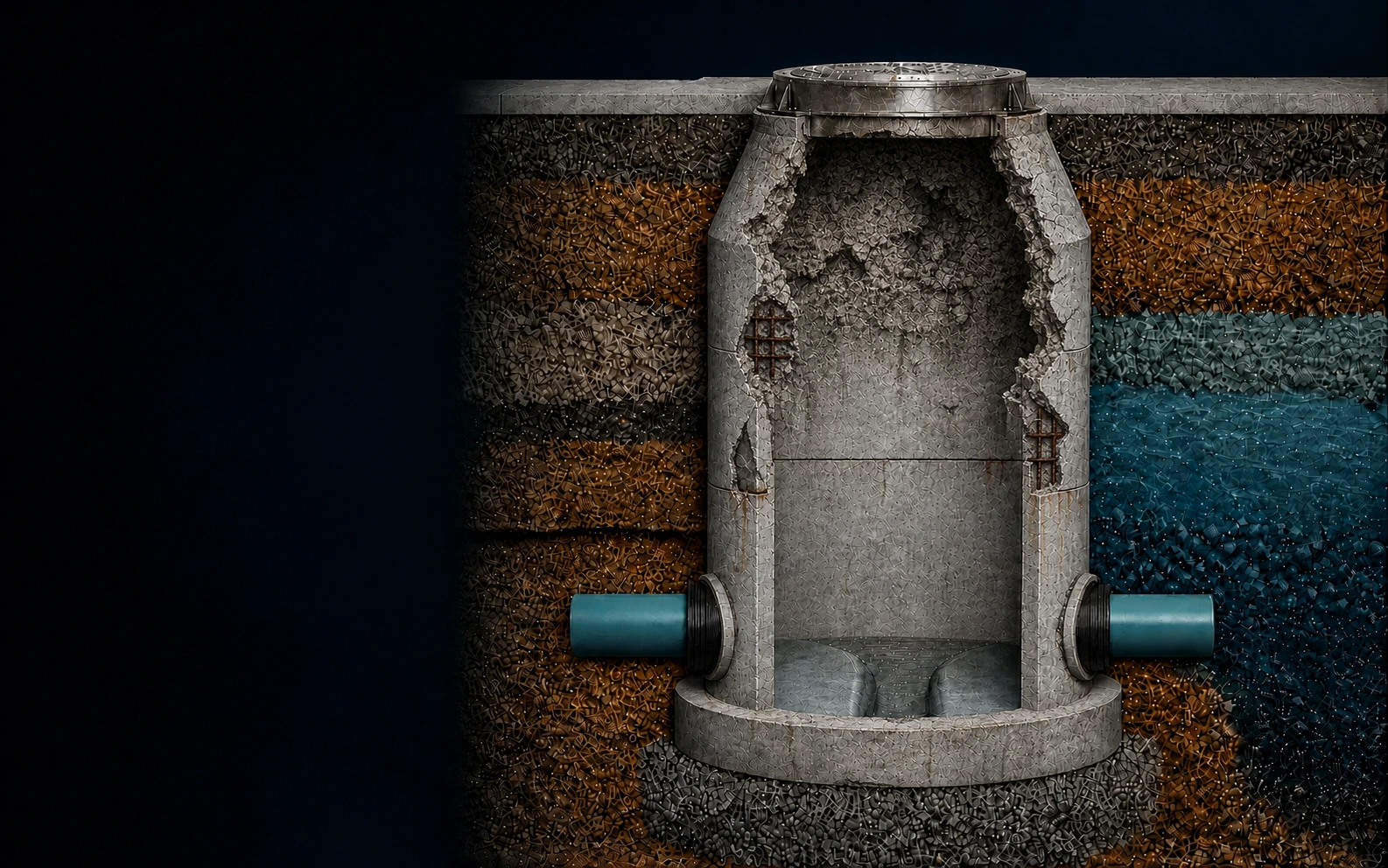
Standard concrete underground manhole section showing representative service condition
01 / ACTIVE SYSTEMStandard concreteExposure reaches the structural material.
01 / CONSISTENT THREAT

Biogenic sulfide corrosion

Crown + headspace

Hydrogen sulfide can support microbially generated sulfuric acid above the flow line—the dominant corrosion mechanism in many wastewater structures.

STANDARD CONCRETE / RESPONSEVULNERABLE

The binder is the attack path

Sulfuric acid attacks Portland-cement paste directly. Surface loss can progress into structural section loss and recurring intervention.

CHANGE SYSTEM / KEEP THIS THREAT
Our position: coatings manage the surface; polymer concrete changes the structure itself. For corrosive wastewater service, P3 believes an integral, low-absorption polymer concrete system is the more durable starting point. Final material selection and project design remain with the project engineer.

See the evidence behind the position →

02 / MATERIAL RESPONSE

Change the material.
Block the failure path.

Start with ordinary concrete, then drag across the cross section to compare.

Understand the material →
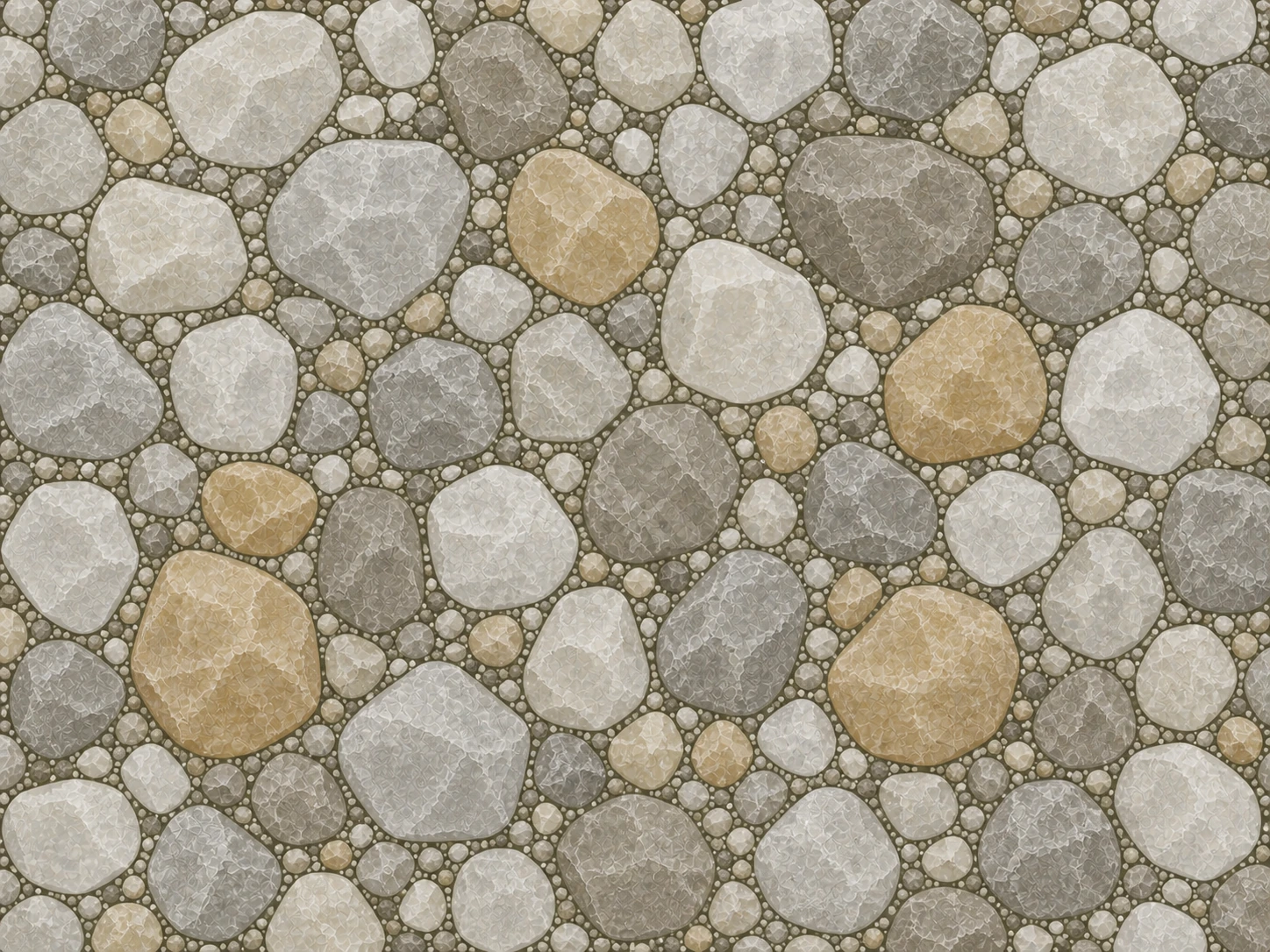
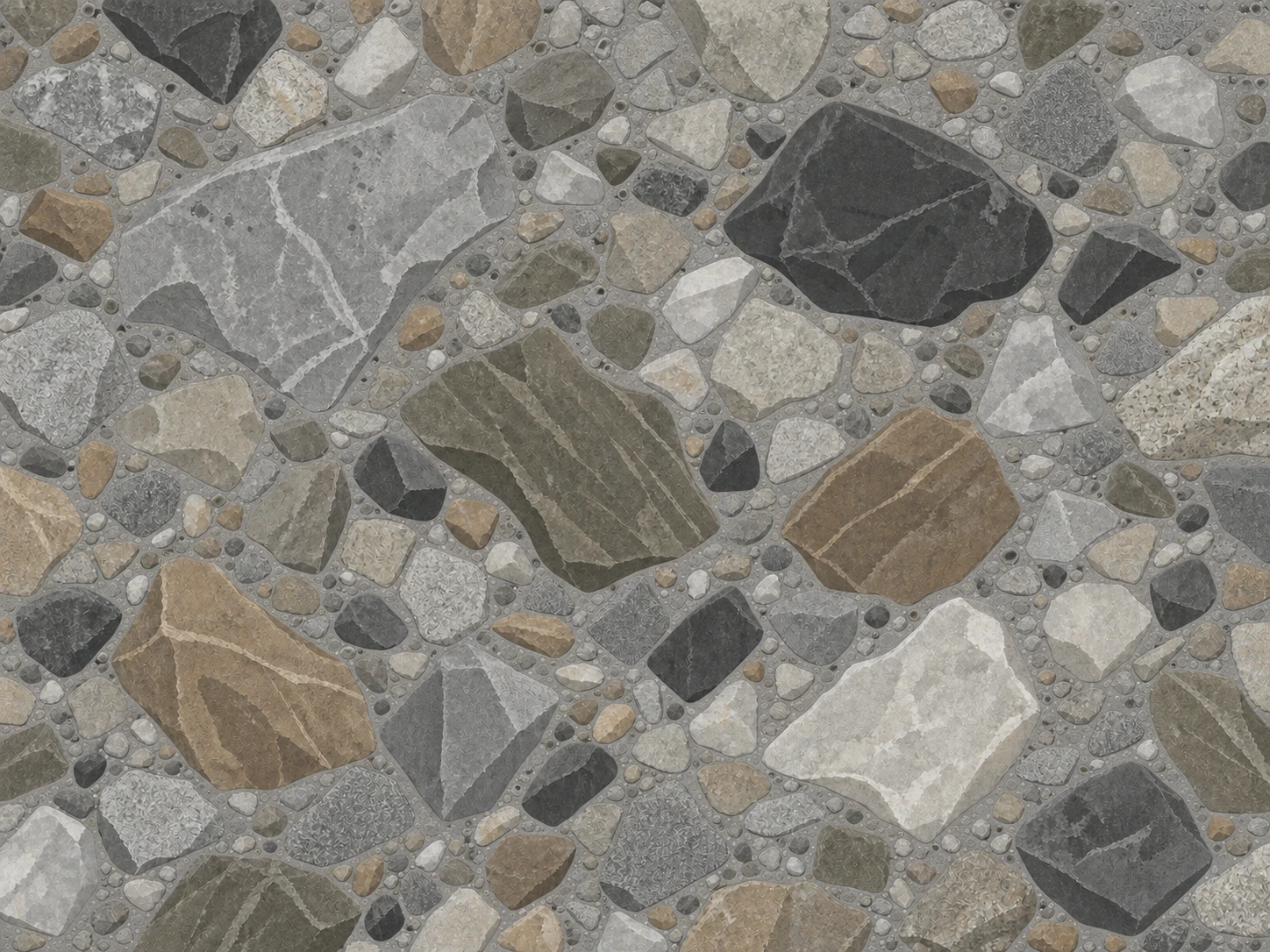
Illustrated standard concrete cross section with mineral aggregate in Portland-cement paste
Illustrated polymer concrete cross section with compact crystalline quartz in a thin polymer matrix
02 / POLYMER CONCRETEQuartz + vinyl ester matrix
01 / ORDINARY CONCRETEPortland-cement matrix
01
ORDINARY CONCRETE / AggregateLocally sourced stone and sand

Standard concrete typically uses the practical aggregate supply available near the plant. Cement surrounds those particles and holds them together.

02
ORDINARY CONCRETE / Particle sizesCement fills the gaps

Different stone sizes reduce the open space, but a substantial amount of cement still fills the gaps between them.

03
ORDINARY CONCRETE / Binder + waterCement paste absorbs water

Tiny connected spaces let water and dissolved chemicals move into the concrete. Acids can also attack the cement itself.

DRAG RIGHT TO REVEAL POLYMER CONCRETE

01
ORDINARY CONCRETE / AggregateLocally sourced stone and sand

Standard concrete typically uses the practical aggregate supply available near the plant. Cement surrounds those particles and holds them together.

02
ORDINARY CONCRETE / Particle sizesCement fills the gaps

Different stone sizes reduce the open space, but a substantial amount of cement still fills the gaps between them.

03
ORDINARY CONCRETE / Binder + waterCement paste absorbs water

Tiny connected spaces let water and dissolved chemicals move into the concrete. Acids can also attack the cement itself.

PROPERTYP3 PERFORMANCEMETHOD / BASIS
Compressive strength14,580 psiASTM C579, Method C
Water absorption≤ 0.20%ASTM C413, Method C
Chemical resistance112-day programASTM C267 / ACI 548.17
Independent 2025 laboratory average from three 4 × 8 in. samples; the ACI 548.17 qualification minimum is 10,000 psi. Qualification values are not unmodified allowable design stresses. See the technical library for context.

03 / FIND YOUR PATH

Move the project forward.

Choose the decision in front of you. We’ll take you to the information behind it.

01 / PLANFOR OWNERS

Make the material decision before maintenance makes it for you.

Frame corrosion exposure, intervention risk and lifecycle consequences early enough to influence procurement—not after the structure is already in service.

WHAT YOU'LL FIND01Failure mechanisms + material comparison02Lifecycle and intervention framing03A clearer owner–engineer conversation

04 / EVIDENCE + CONTROL

Performance needs a paper trail.

Useful claims connect requirements, production records and research—without confusing their roles.

01DEFINE
PROJECT REQUIREMENT

Say exactly what must be true.

Performance starts in the contract documents: named material properties, qualification methods, interfaces and acceptance requirements—with the rationale close enough to review.

  • Section 33 05 61
  • Clause-level commentary
  • Controlled DOCX files
Open the standard specification
02CONTROL
MANUFACTURING SYSTEM

Make the requirement repeatable.

Formulation, reinforcement, casting, curing, inspection, testing and traceability stay inside one documented quality system before a structure reaches the field.

  • ISO 9001 quality system
  • Production inspection
  • Material + component traceability
See manufacturing control
03INFORM
MATERIAL RESEARCH

Keep research deeper than promotion.

PCIC studies polymer concrete beyond any one wastewater product. P3 applies relevant knowledge to structures, specifications and project support.

  • General material science
  • Annotated literature
  • Research distinct from product claims
Explore PCIC research
CONNECTED, NOT CONFLATEDRequirement production control research context

P3 is responsible for its wastewater products and controlled project documents. PCIC supplies broader material research and context.

05 / NEXT ACTION

Bring the conditions.
We’ll bring the product experience.

Share what is known—exposure, geometry, loading, schedule or bid documents. P3 can support product evaluation, configuration, specification and field coordination while project design remains with the project engineer.

EARLY CONCEPT → ACTIVE BID → FIELD COORDINATION
01 / TECHNICAL PATHWork through the project conditions.

Material evaluation, specification review, geometry, loading, substitutions and unusual applications.

Request design assistance →
02 / COMMERCIAL PATHPut a real scope in front of estimating.

Project, product, quantity, dimensions, location, bid date and whatever plans or specifications are available.

Request a quote →